High-Performance Conveyor Belts for Every Industrial Application

Serving as the backbone of modern material handling, conveyor belts are continuous loops of fabric or rubber engineered to keep goods moving. From sorting packages to powering the mining sector—where they effortlessly haul massive loads of coal, stone, and iron ore—these systems are vital for keeping industries running smoothly.
Carrying Roller

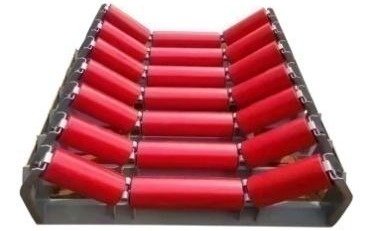
  • Load Support: Carries the weight of the materials being transported on the top (carrying) side of the belt.
    Friction Reduction: Uses internal bearings and shafts to allow smooth rotation, lowering overall belt running resistance and power consumption.
  • Troughing Configuration: Often arranged in sets of three or more to form a trough shape (commonly at 20°, 35°, or 45° angles) that cradles and centers the load.
  • Common Materials: Built from durable metals like mild steel or stainless steel, and sometimes coated or made with resilient plastics or rubber.
Enquiry Now

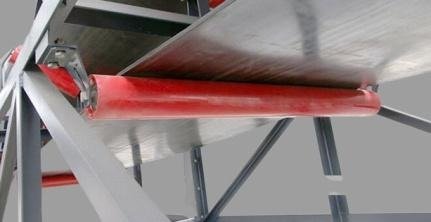
Return Roller

    • Mild Steel (MS): Standard option for general industrial conveyor lines.
    • Stainless Steel / Galvanized Steel: Corrosion-resistant options for harsh or wet environments.
    • Rubber Disc / Rubber Tread: Used for belt tracking and applications exposed to abrasive or sticky bulk materials.
Enquiry Now

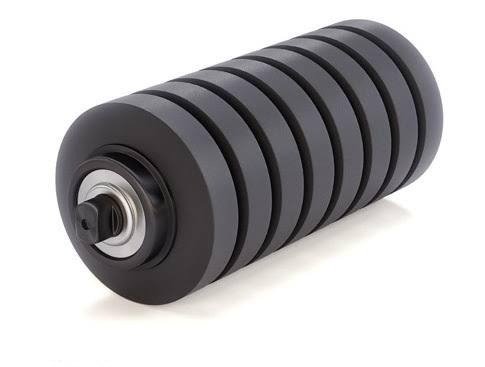
Impact Roller

  • Custom Design & Engineering: Tailoring impact roller assemblies—such as troughing, flat, offset, or garland configurations—to match specific conveyor sizes, load weights, and harsh operating environments.
  • Installation & Retrofitting: Professional on-site setup and integration of shock-absorbing roller systems into existing material handling lines.
  • Maintenance & Repair: Routine inspections, bearing replacements, and servicing of rubber or polyurethane impact rings to prevent premature belt wear.
Enquiry Now
Load More
ENQUIRE NOW
WP Icon